Publications & Media
Research, writing, and appearances
Thesis
Whittle, E. (2022). Context-dependent selection and temporal use of roost-sites by female northern long-eared bats. M.S. Thesis, University of Wyoming, Department of Zoology and Physiology.
Publications
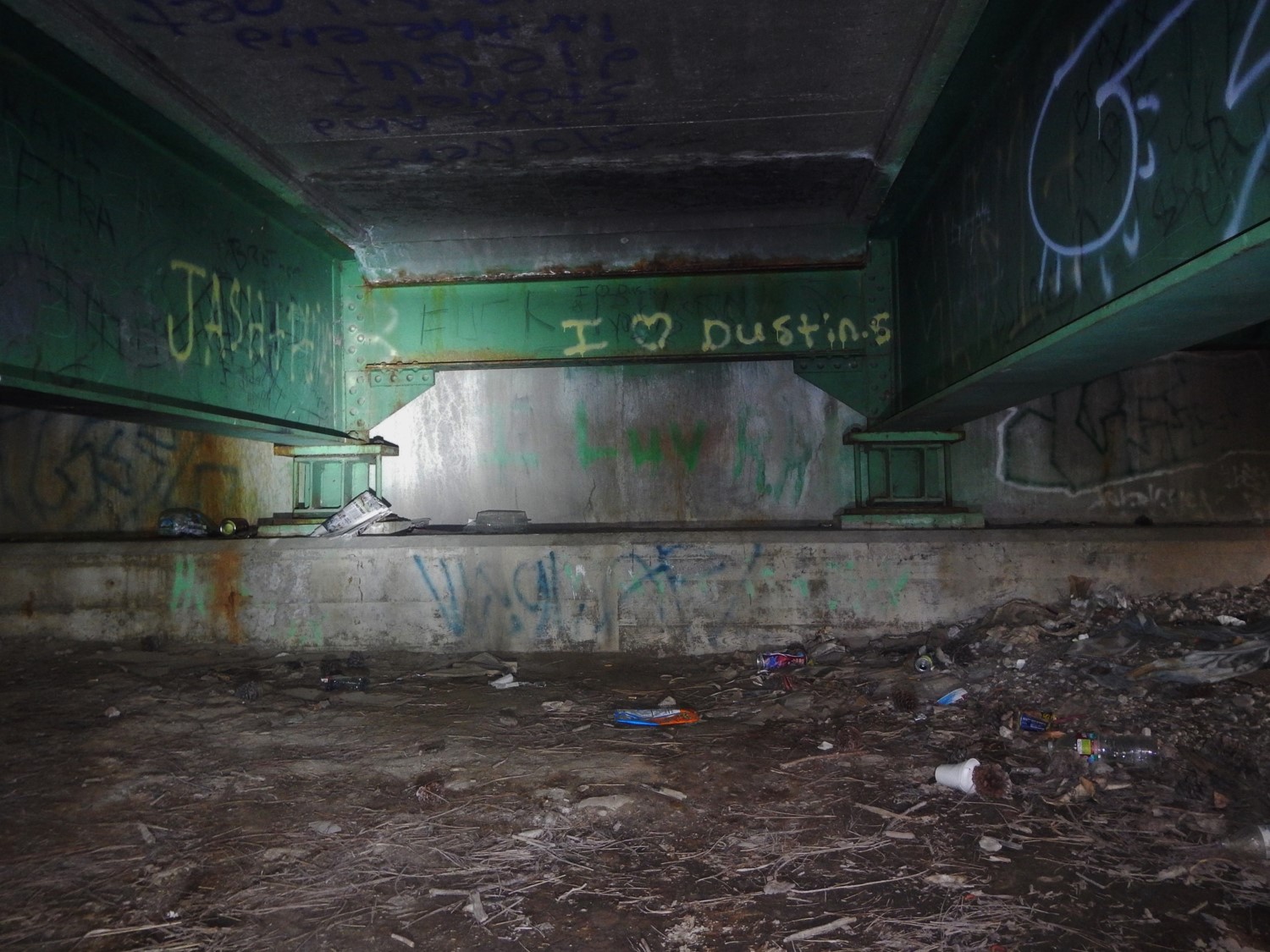
Whittle, E., Maxell, B., Breuner, C., Hanauska-Brown, L., & Hendricks, P. (2015). Bat use of bridges in western Montana. Intermountain Journal of Sciences, 21(4). Read online
During May–October 2014, we surveyed 412 roadway bridges across Missoula, Ravalli, and Mineral Counties. Nearly half of all bridges (45.9%) showed evidence of bat use as night roosts between foraging flights. Day roosts, where bats shelter during daylight hours, were found at a smaller number of bridges (2.7%), ranging from solitary individuals to colonies of hundreds of females and their offspring. Bridge type and structure were significant predictors of bat use.
Presentations
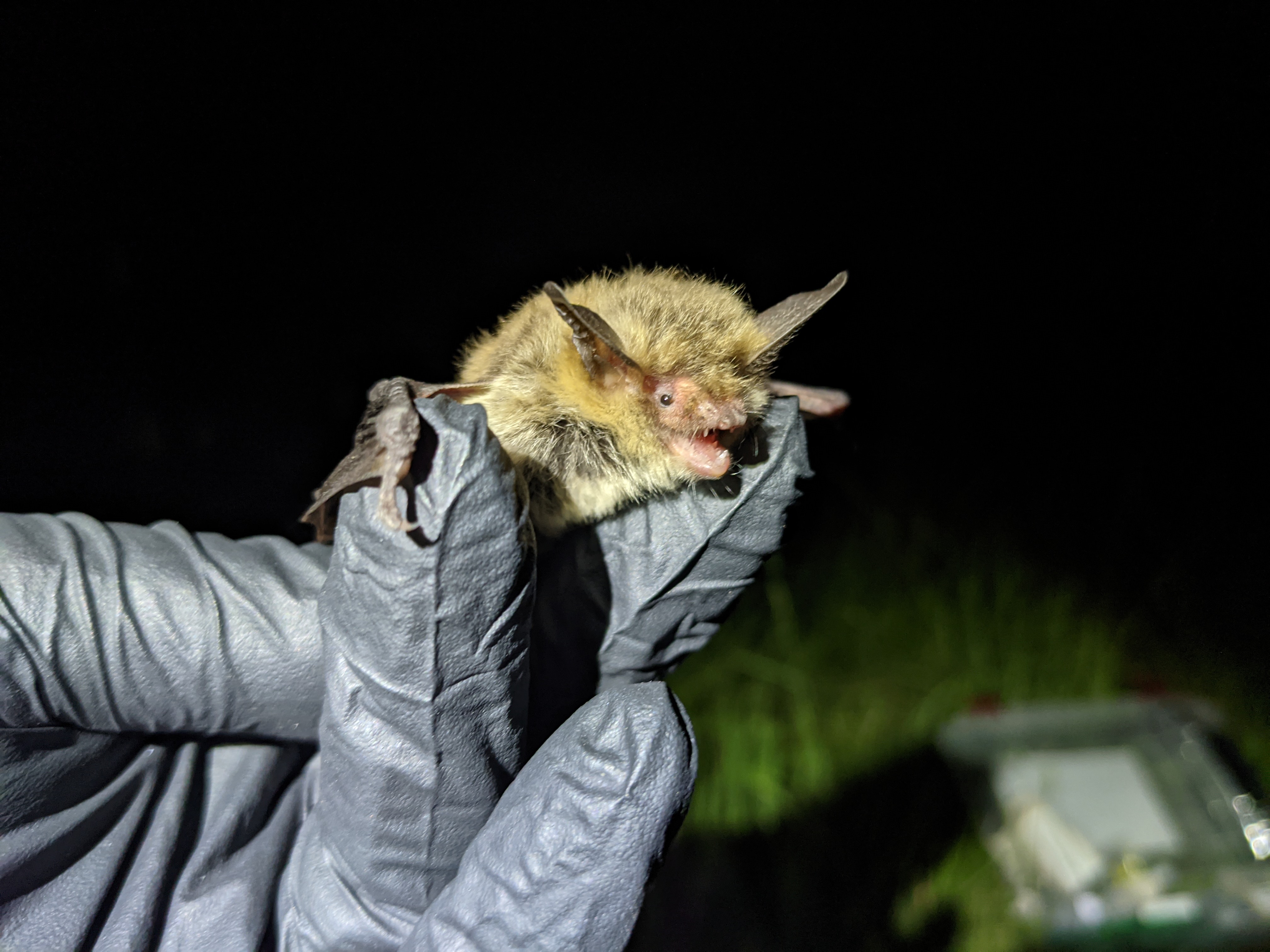
Whittle, E., Abernethy, I.M., and Chalfoun, A.D. (2019). “Maternity Roost Site Selection by Northern Long-eared Bats at Multiple Spatial Scales.” Poster presentation, Wyoming Chapter of The Wildlife Society Annual Meeting.
Field Notes
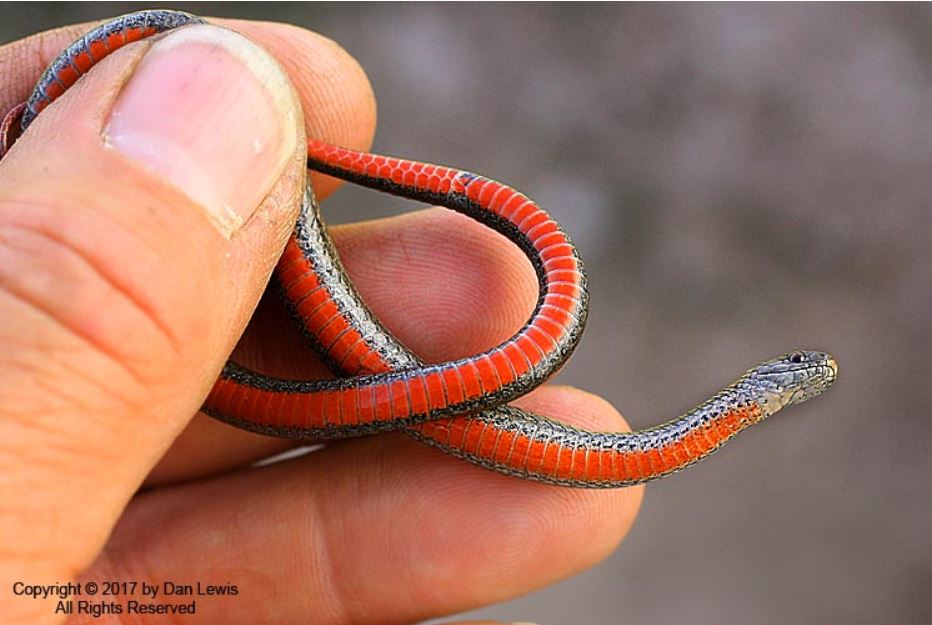
Whittle, E. (2019). “A Rare Observation of the Black Hills Redbelly Snake.” The Black Hills redbelly snake (Storeria occipitomaculata pahasapae) is a tiny, secretive subspecies with an extremely limited range — one of the least-known reptiles in the region. Encountering one during bat fieldwork was a memorable surprise. Read on my field blog
Media Appearances
PBS Nature: Wild Hope — “Bat Vax”
I am featured in “Bat Vax” (Episode 41), part of the Wild Hope series on PBS Nature. The episode follows our team into the field in Wyoming as we work to vaccinate northern long-eared bats against white-nose syndrome — a fungal disease that has killed millions of bats across North America. Led by USGS epidemiologist Dr. Tonie Rocke, we are among the first to attempt field vaccination of this endangered species. Watch on PBS
SciShow Talk Show
In November 2014, I joined Hank Green on SciShow Talk Show to discuss bat biology, echolocation, white-nose syndrome, and what it’s like to study bats in the field. We also met Carlos the Sinaloan Milk Snake from Animal Wonders. The episode has been viewed over 100,000 times on YouTube.
WyoFile
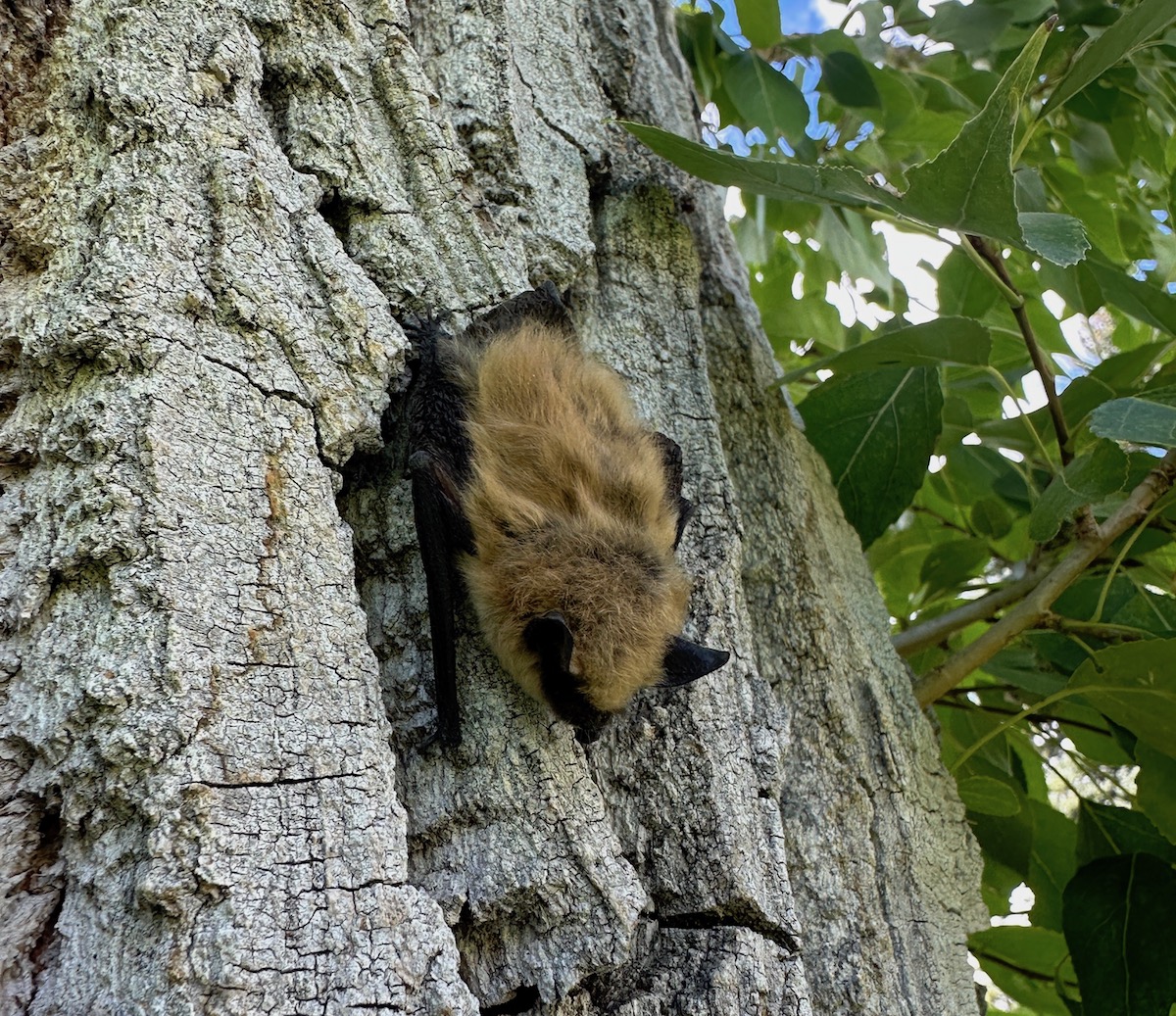
“Spooky or just misunderstood? Wyoming’s wide variety of bats are mostly hibernating for Halloween” (2024). I was extensively quoted in this feature about Wyoming’s bat diversity and conservation, including the story of “Batrick,” a western small-footed bat spooked by UW campus construction that I caught and released safely. Read the article
Wyoming Public Media
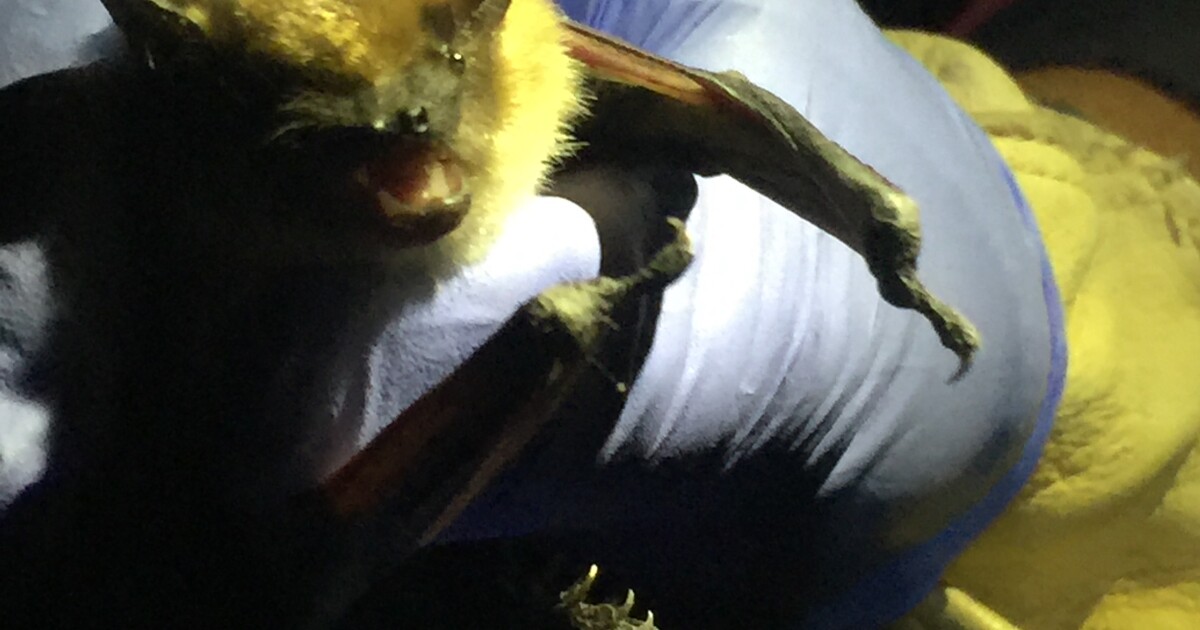
“Wyoming’s Black Hills Are An Oasis For An Endangered Bat… But A Killer Fungus Is Creeping Closer” (2018). I was interviewed about my research on northern long-eared bats in the Black Hills and the growing threat of white-nose syndrome as it moves westward. Listen/read the story
The Sheridan Press
“Protecting Wyoming’s bat diversity” (2025). A feature in the Outdoors section covering bat ecology in the state, the detection of white-nose syndrome fungus at Fort Laramie, and how people can coexist with bats. Read the article
Wyoming Game & Fish Department
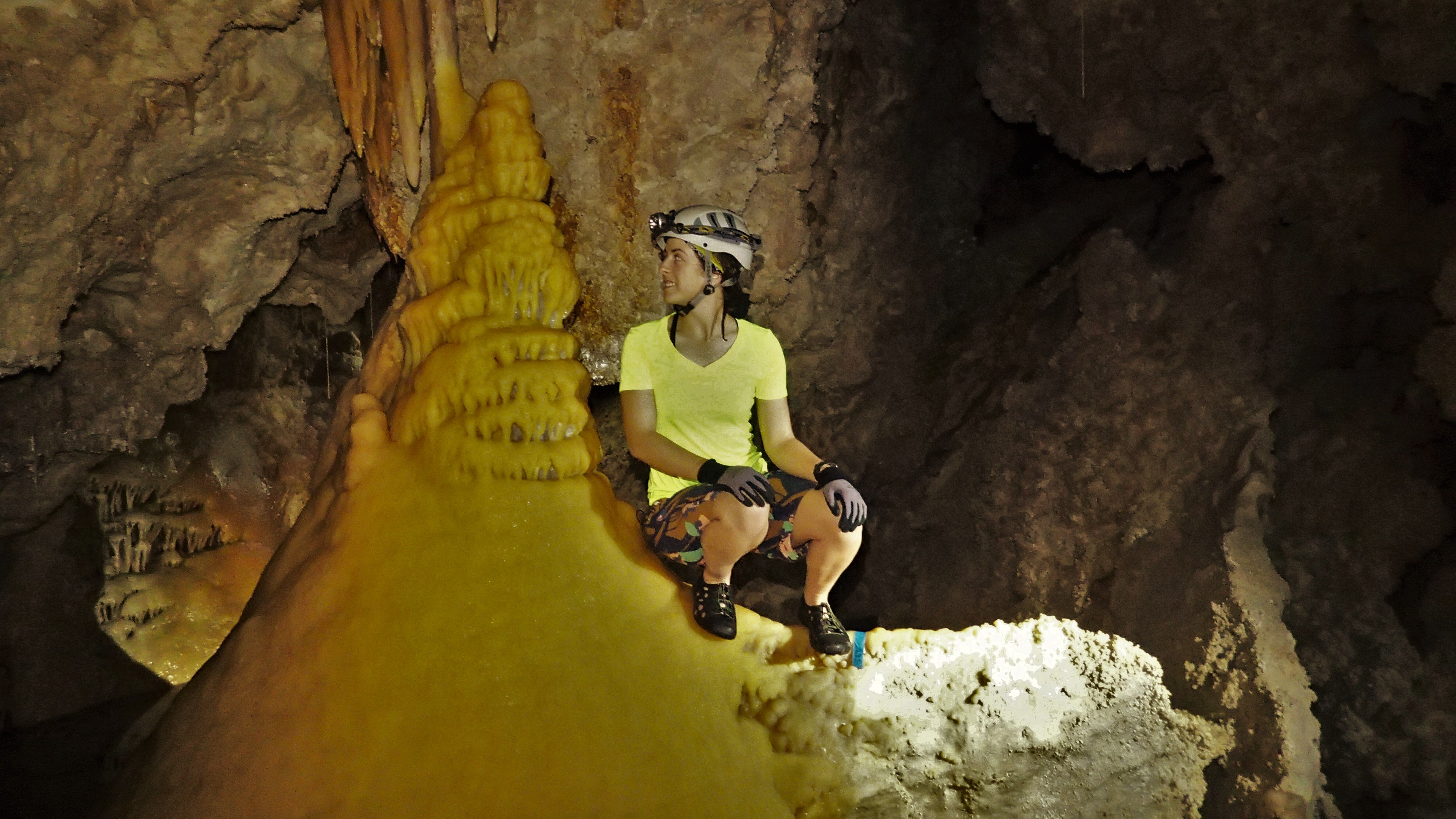
“Wyoming’s newest bat hibernaculum.” Our team’s discovery of a new bat hibernation site in a Bighorn Mountain cave was featured by Wyoming Game & Fish. Read the article
Wyoming Wildlife Magazine
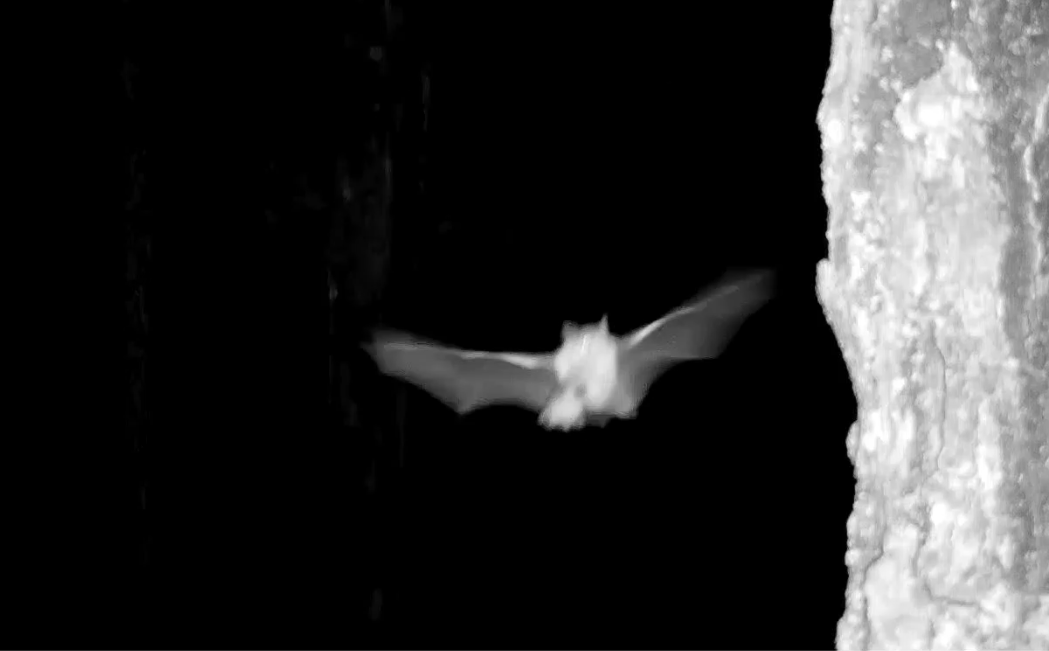
“Roosts Matter.” A feature in Wyoming Wildlife Magazine about the importance of roosting habitat for bat conservation. Read online
Profiles
WYNDD Staff Profile · ResearchGate · Wyoming Cooperative Fish & Wildlife Unit · USGS Cooperative Unit · Instagram · Zoology Field Notes blog