Bat Biologist & Conservation Researcher
Studying threatened species in the mountains and prairies of the American West
Current Work
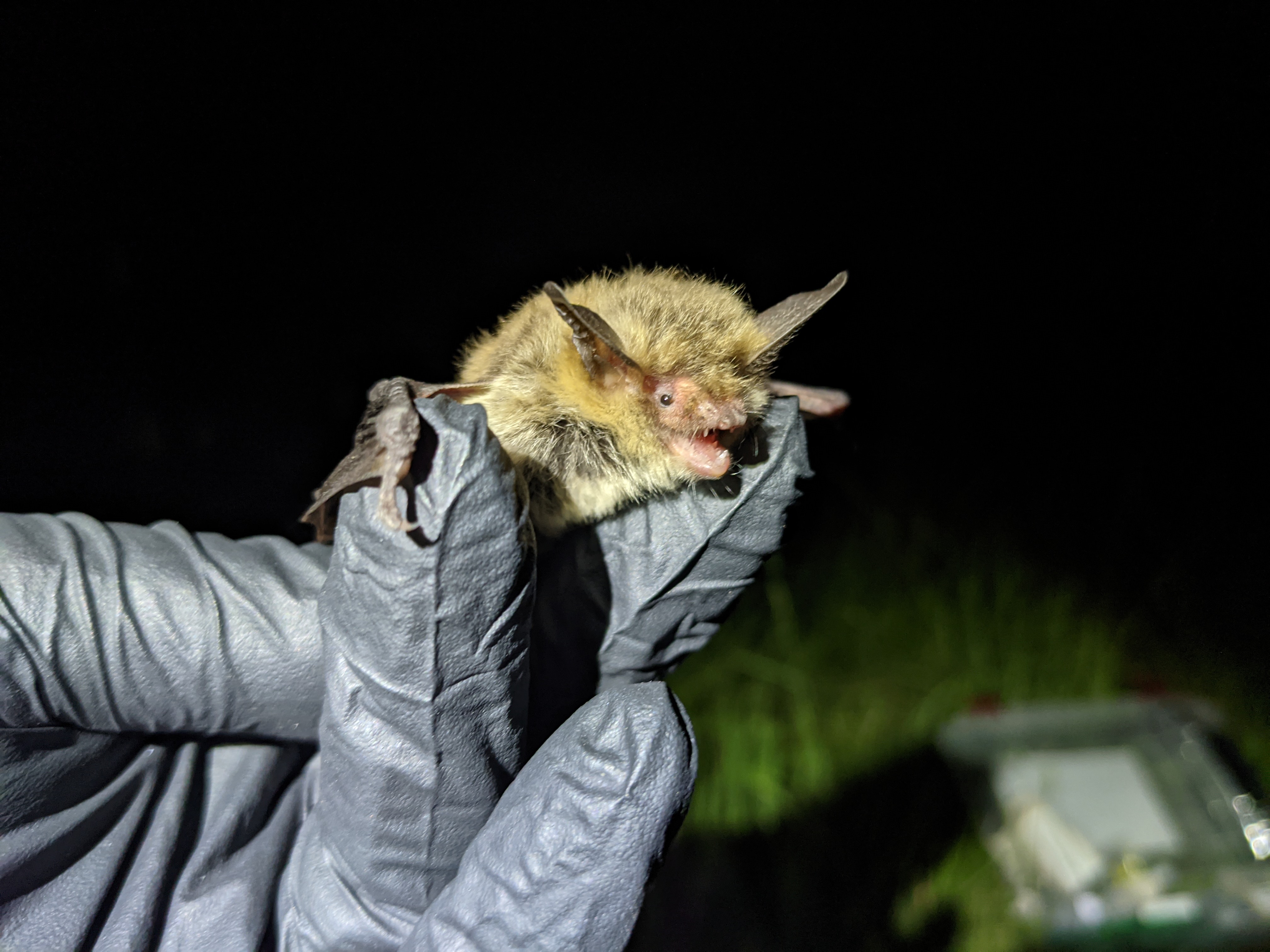
I am a Bat Project Manager at the Wyoming Natural Diversity Database (WYNDD) at the University of Wyoming. I manage research projects focused on the 16 bat species found in Wyoming, with particular attention to the endangered northern long-eared bat (Myotis septentrionalis).
My current projects span acoustic monitoring of bat species assemblages across the state, tracking seasonal occupation patterns at maternity roost sites, and analyzing long-term population data for species of greatest conservation need. We use passive acoustic detectors deployed at sites across Wyoming to identify species by their echolocation calls, building a picture of which bats are where and when they’re active. This work directly informs management decisions by the U.S. Fish and Wildlife Service and Wyoming Game and Fish Department.
An urgent part of this work is establishing baseline data before white-nose syndrome arrives in force. The fungus Pseudogymnoascus destructans (Pd) that causes WNS has already been detected in a little brown bat at Fort Laramie in Goshen County — a sign that it is creeping into Wyoming’s bat populations. Knowing which species are present and where they hibernate and roost gives us a fighting chance at protecting them as the disease spreads.

Conservation Biology
My research questions center on habitat selection by threatened species during their most vulnerable life stages, particularly reproduction. When a lactating bat chooses a tree to roost in with her pups, that decision reflects a complex calculus of temperature, predator avoidance, proximity to water, and forest structure. Understanding those choices helps land managers protect the habitat features that matter most.
Much of the public land in the American West receives heavy use from logging, recreation, and energy development. The bats that depend on these forests don’t have a voice in those land-use decisions. My job is to give their needs a seat at the table. If you’re interested in collaborating, get in touch.
Graduate Research: Bats and Forests of the Black Hills
I completed my M.S. thesis at the University of Wyoming in December 2022, working in Dr. Anna Chalfoun’s lab at the Wyoming Cooperative Fish and Wildlife Research Unit, alongside co-researcher Ian M. Abernethy. My thesis, “Context-dependent selection and temporal use of roost-sites by female northern long-eared bats,” examined how females choose tree roosts for their maternity colonies in the Black Hills of South Dakota and Wyoming.
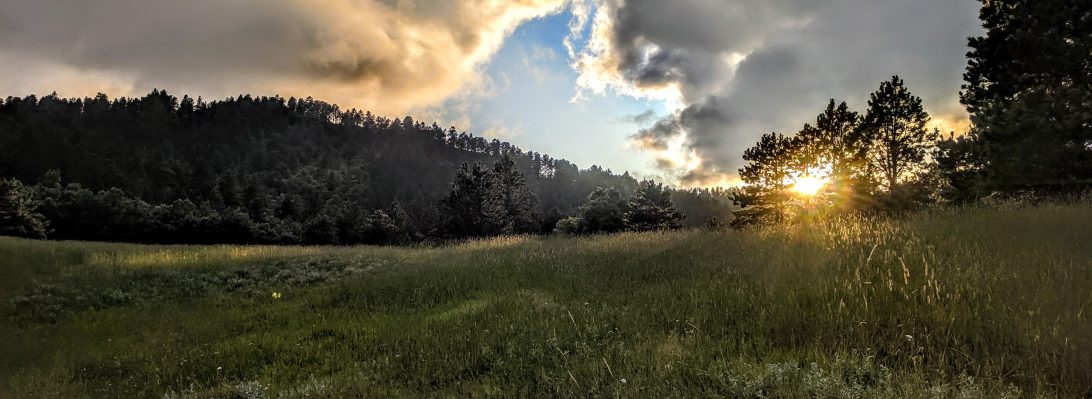
The Black Hills are an isolated mountain range surrounded by hundreds of miles of open prairie, making them an ecological island for forest-dwelling bat species. Northern long-eared bats roost primarily in tree cavities during summer, where they find the shelter, security, and stable temperatures they need to raise their young. As the region faces increasing pressures from logging, recreation, and firewood collection, understanding which trees and forest conditions these bats depend on is critical to their survival.
A key finding was that bats were more likely to roost in quaking aspens during pregnancy, and in cooler, wetter weather conditions. Roost-switching behavior — how often a bat moves between different tree roosts — varied by reproductive state, with pregnant females and lactating mothers making different choices about when and why to move. These patterns suggest that the bats are actively managing thermal conditions for their developing young.
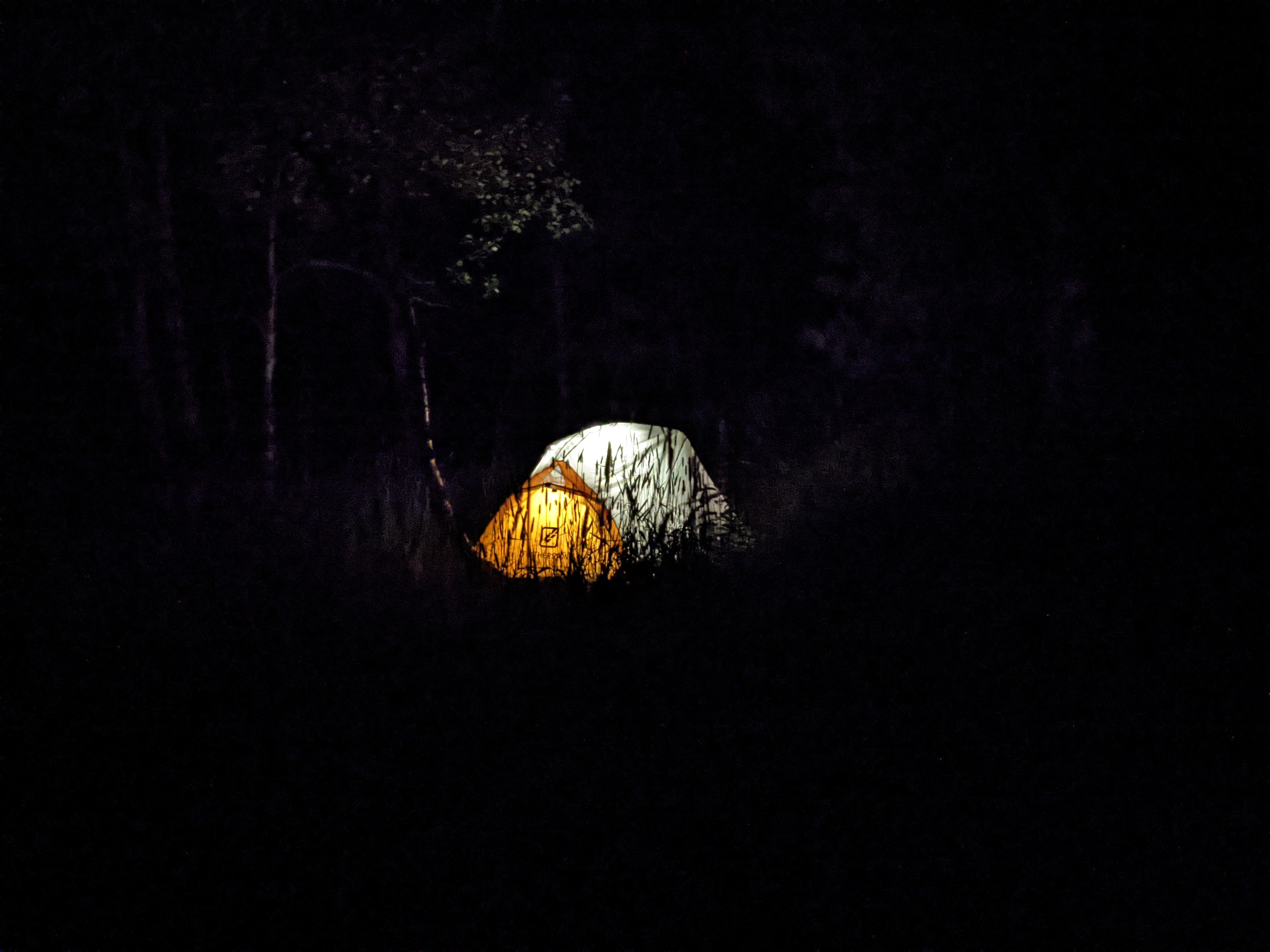
My fieldwork involved catching bats in mist nets set over ponds at dusk, attaching tiny radio-transmitters to their backs, then tracking them over multiple days across rugged terrain to locate their day roosts. The research was funded by the USGS Wyoming Cooperative Fish and Wildlife Research Unit and a Bat Conservation International Student Research Scholarship.
Wyoming’s Newest Bat Hibernaculum
In mid-November 2019, I joined a team of Wyoming Game and Fish nongame biologists and volunteer cavers from the Hole-In-the-Wall Grotto and Northern Rocky Mountain Grotto to survey a cave in the Bighorn Mountains as a potential bat hibernation site. The cave entrance sits on a high, windswept ridge where snow drifts pile up quickly. After rappelling down the near-vertical opening, we worked our way through 600 feet of passage, scanning walls and ceiling crevices by headlamp. We discovered twelve hibernating bats (read more in my Field Notes): five mouse-eared bats (Myotis) and seven Townsend’s big-eared bats.
This discovery is significant for white-nose syndrome monitoring. The fungal disease has devastated bat populations across eastern North America and is steadily moving west. Knowing where bats hibernate in Wyoming gives us baseline data before the fungus arrives — and a place to check for the disease as it spreads.