Wildlife Biologist & Bat Researcher
Born and raised in Montana’s sagebrush prairie, I have spent over a decade working with threatened and endangered wildlife across the American West. I am currently a Bat Project Manager at the Wyoming Natural Diversity Database (WYNDD) at the University of Wyoming, where I manage research projects for regional bat species, including the endangered northern long-eared bat. My work involves acoustic monitoring, radio-telemetry tracking, and population assessment across Wyoming’s diverse landscapes.
Research interests: Conservation biology, wildlife habitat selection, chiropterology, natural history, human-altered landscapes
Education
M.S. Zoology and Physiology, University of Wyoming, 2022
Thesis: “Context-dependent selection and temporal use of roost-sites by female northern long-eared bats”
Advisor: Dr. Anna Chalfoun, Wyoming Cooperative Fish and Wildlife Research Unit
B.S. Wildlife Biology, University of Montana, 2015
Undergraduate thesis: “Bat use and selection of bridges as summer habitat in western Montana” (with Bryce Maxell, Montana Natural Heritage Program)
Awards & Honors
Thomas H. Kunz Innovation in Bat Research Honor (2021) — I was the first-ever recipient of this award from Bat Conservation International, given to the BCI Student Scholar whose proposed research uses the most innovative approaches to bat conservation. My project examined inter- and intra-annual use of maternal roosts by female northern long-eared bats.
Bat Conservation International Student Research Scholarship (2021) — A competitive grant supporting bat conservation research.
Career & Field Experience
I have been working with wildlife since 2013, and most of my career has centered on threatened or endangered species in remote landscapes across the American West. Before focusing on bats, I worked with some remarkable animals in some challenging places:
Steller’s Eiders on the North Slope of Alaska — a federally threatened sea duck and one of the rarest breeding birds in North America. Barrow is the only known regular nesting site in the United States. I monitored nesting sea ducks in Arctic tundra conditions for the U.S. Fish and Wildlife Service.
Grizzly Bears in the Cabinet-Yaak Ecosystem of northwest Montana — one of the most isolated grizzly populations in the lower 48, with fewer than 60 bears at the time. Fieldwork involved hair-snag surveys and population monitoring in dense backcountry.
Lesser Prairie-Chickens in the tallgrass prairie of Kansas through Kansas State University. I also provided photography for research on megafire impacts on lesser prairie-chicken habitat in Clark County, Kansas, following the devastating 2017 Starbuck fire.
Northern Long-eared Bats in the Black Hills since 2017, which became the focus of my graduate research and current career at WYNDD. The species was listed as endangered under the Endangered Species Act in 2023.
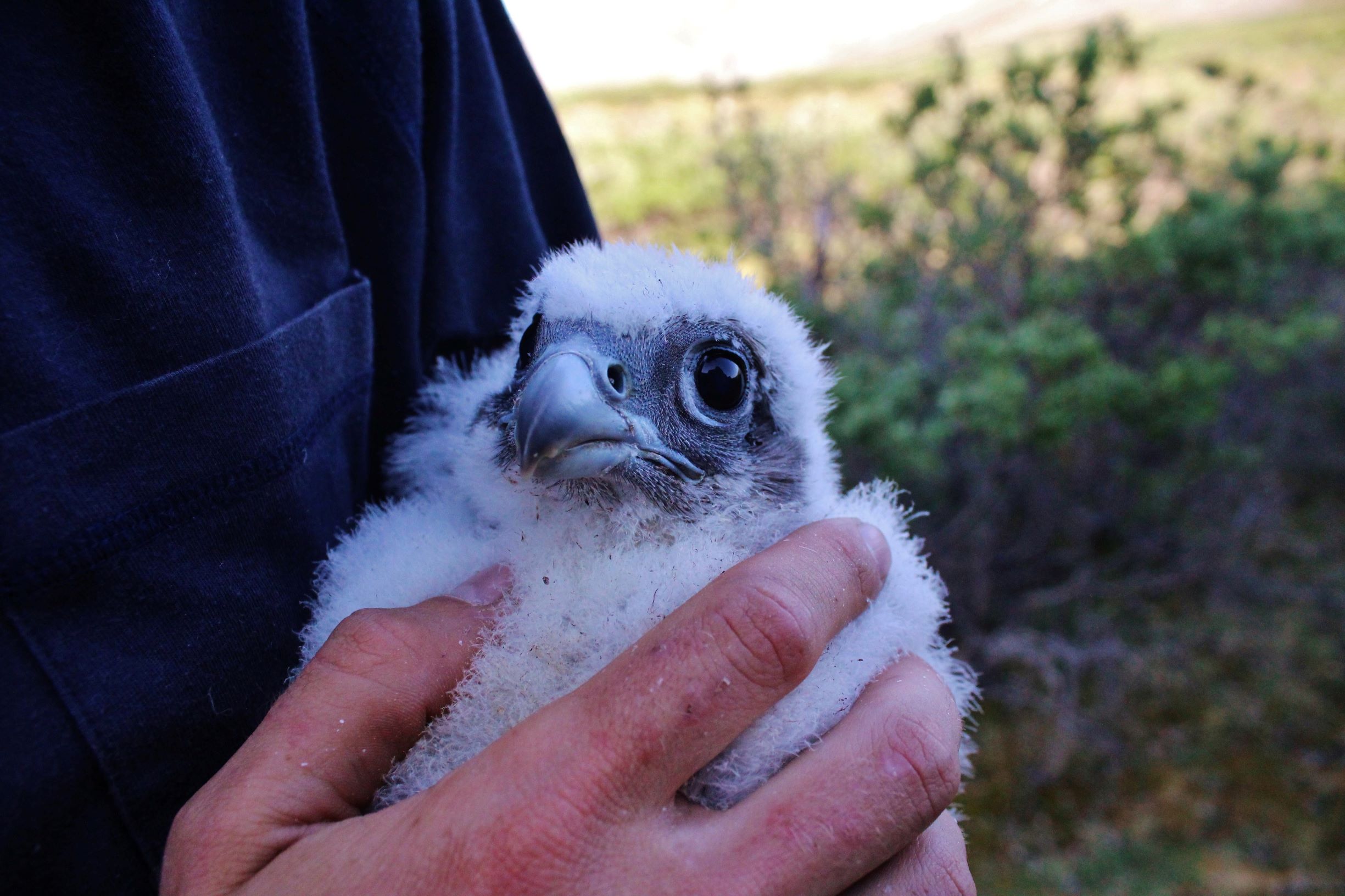
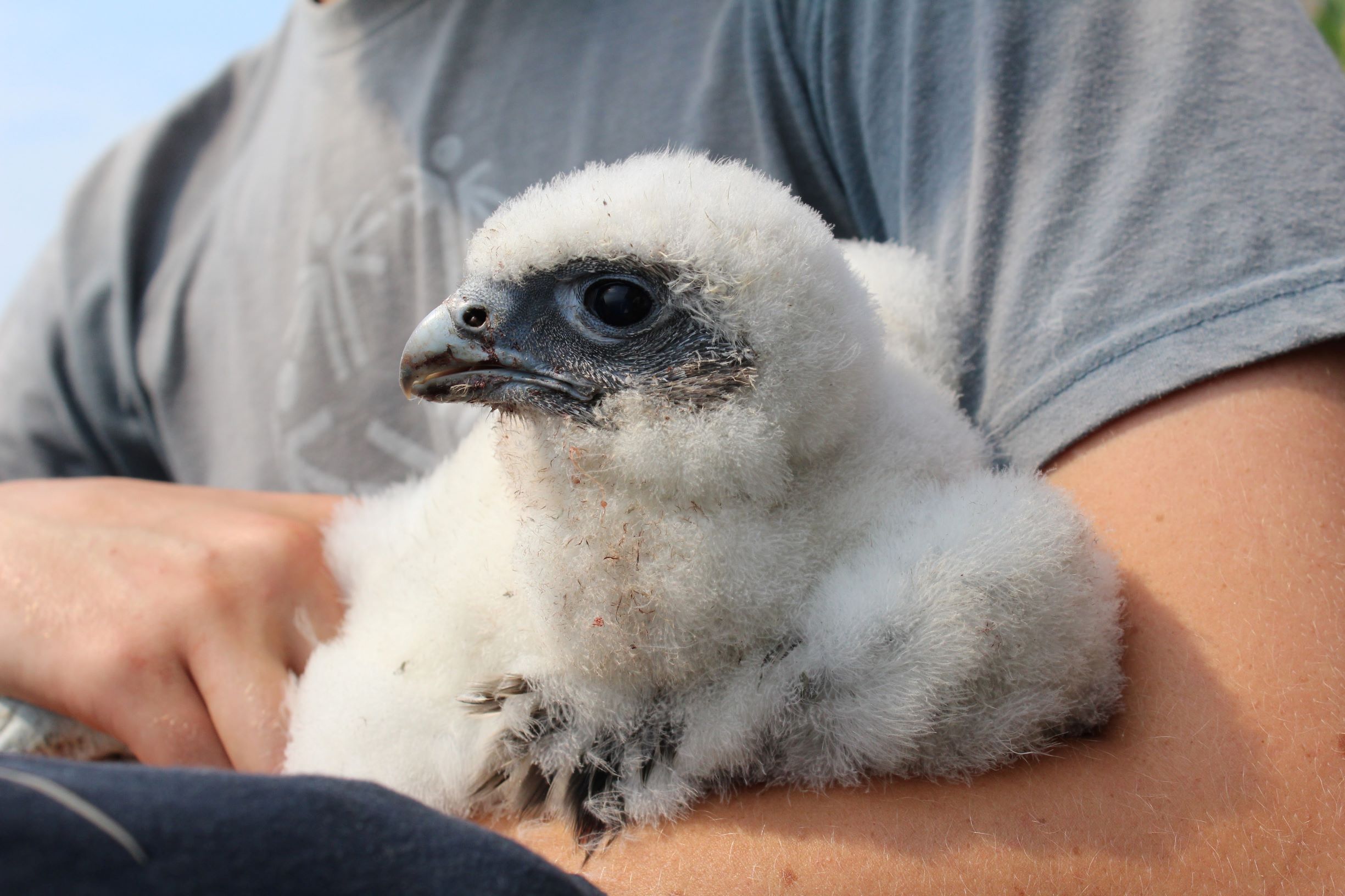
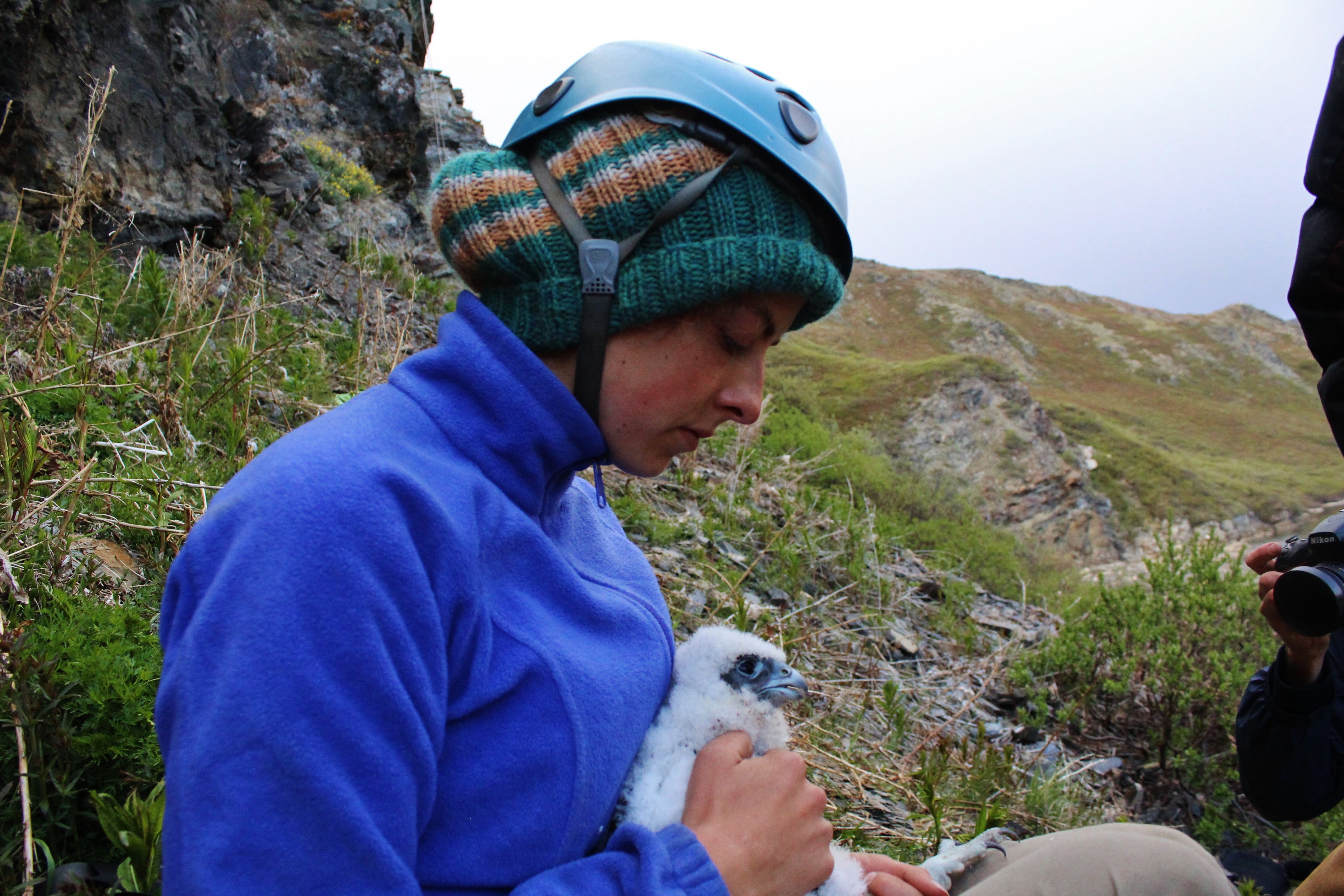
I have also worked for The Peregrine Fund at the World Center for Birds of Prey in Boise, Idaho, where I taught the Raptor Conservation course for middle and high-school students — covering careers in wildlife biology and real Peregrine Fund research data. I’ve also contributed to grassland ecology research at Texas A&M University and white-nose syndrome surveillance across multiple states.
Beyond the Lab
When I’m not chasing bats through the dark, I’m usually somewhere outside in Wyoming. I’m an avid hiker, climber, and skier, and I spend a lot of time exploring the mountains and canyons that also happen to be excellent bat habitat. This site is where I share field notes, research updates, and stories from the places where wildlife science meets the backcountry.